Introduction
When building Fintech systems, integration with other services and systems is crucial. A well-designed integration architecture can make all the difference in terms of performance, security, and maintainability. In this post, we'll explore how to optimize Fintech system integration using modular architecture.
What is Modular Architecture?
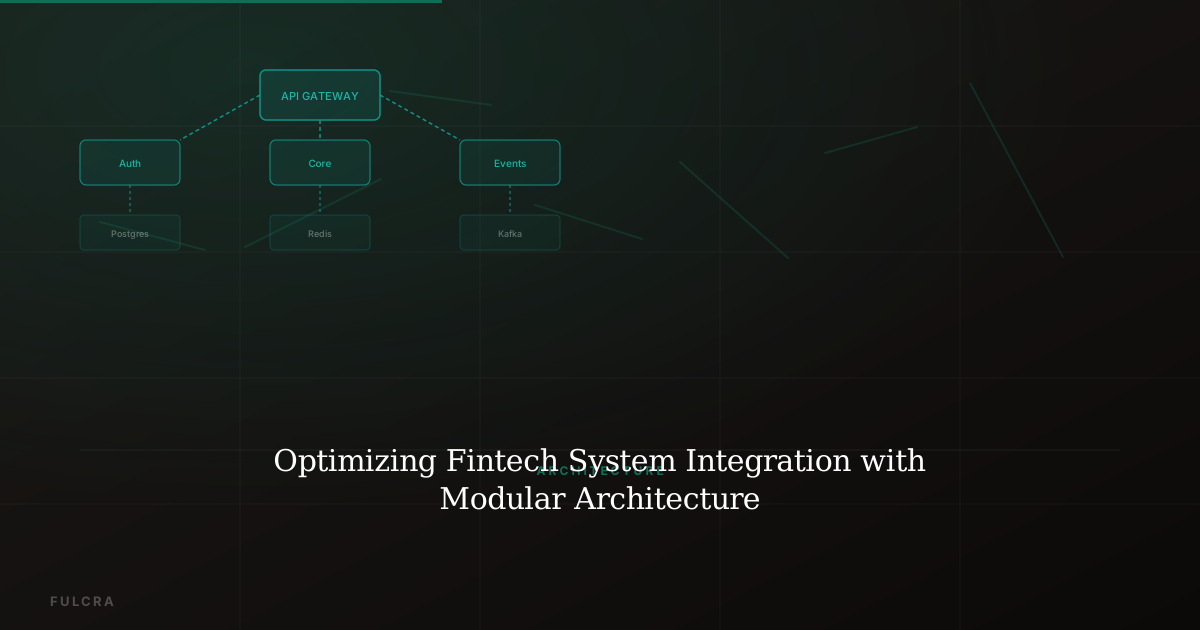
Modular architecture is a design approach that involves breaking down a large system into smaller, independent modules. Each module is responsible for a specific function or set of functions, and modules can be developed, tested, and deployed independently. This approach has several benefits, including improved scalability, flexibility, and reusability.
Benefits of Modular Architecture for Fintech System Integration
When it comes to Fintech system integration, modular architecture offers several advantages. For one, it allows for easier integration with other systems and services. With a modular architecture, you can simply add or remove modules as needed, without affecting the entire system. This makes it easier to integrate with new services or replace existing ones.
Implementing Modular Architecture for Fintech System Integration
To implement modular architecture for Fintech system integration, follow these steps:
- Identify modules: Break down your system into smaller, independent modules. Each module should be responsible for a specific function or set of functions.
- Define interfaces: Define clear interfaces between modules. This will ensure that modules can communicate with each other seamlessly.
- Develop modules independently: Develop each module independently, using a separate codebase and development team if necessary.
- Integrate modules: Integrate modules using a service-oriented architecture or event-driven architecture.
Example Use Case: Payment Gateway Integration
Suppose you're building a Fintech system that needs to integrate with multiple payment gateways. Using a modular architecture, you can create separate modules for each payment gateway. Each module would be responsible for handling payment processing for a specific gateway. This approach would make it easier to add or remove payment gateways as needed.
// PaymentGatewayModule.ts
import { PaymentGateway } from './PaymentGateway';

export class PaymentGatewayModule {
  private paymentGateway: PaymentGateway;

  constructor(paymentGateway: PaymentGateway) {
    this.paymentGateway = paymentGateway;
  }

  processPayment(amount: number): void {
    this.paymentGateway.processPayment(amount);
  }
}
Best Practices for Modular Architecture
When implementing modular architecture for Fintech system integration, keep the following best practices in mind:
- Keep modules small and focused: Each module should be responsible for a specific function or set of functions.
- Use clear and consistent naming conventions: Use clear and consistent naming conventions for modules, interfaces, and functions.
- Use automated testing: Use automated testing to ensure that modules are working correctly and integrating seamlessly.
Conclusion
In conclusion, modular architecture is a powerful approach to optimizing Fintech system integration. By breaking down your system into smaller, independent modules, you can improve scalability, flexibility, and reusability. If you're looking to optimize your Fintech system integration, consider implementing a modular architecture. For more information on how Fulcra can help with your Fintech system integration needs, contact us today.